
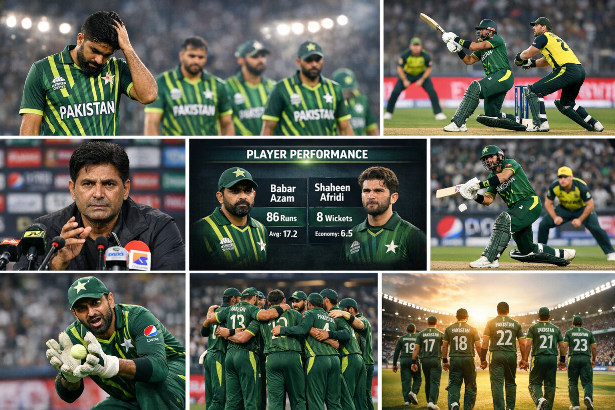
The Unfolding Drama: IPL-Linked Teams and Pakistan Players
The Indian Premier League (IPL) continues to be the crown jewel of T20 cricket, drawing talent from around the globe. However, in recent times, the inclusion of Pakistani players in IPL-linked teams, even amidst a so-called 'shadow ban', has stirred the pot of controversy and intrigue. Fans, analysts, and players alike have been abuzz with opinions, raising questions about the political implications, the spirit of the game, and the evolving dynamics of international cricket. This article delves into the reasons behind the inclusion of Pakistani players in IPL franchises, the impact of such decisions on the tournament, and what it means for the future of cricket in both India and Pakistan.
The Shadow Ban: Context and Implications
To understand the current situation, it's essential to delve into the history of the IPL's approach towards Pakistani cricketers. Following the 2008 Mumbai attacks, the Board of Control for Cricket in India (BCCI) imposed what many fans term a 'shadow ban' on Pakistani players in the league. Despite this, the increasing global nature of cricket and the high caliber of talent that Pakistan offers has led to a gradual shift in this narrative. With bilateral relations between India and Pakistan remaining fraught, the decision to allow Pakistani players into IPL-linked teams raises eyebrows. It also highlights the complex interplay between sports and politics, something that cricket has navigated for decades.
Match Analysis: A Glance at Recent Games
The recent matches, particularly those involving IPL teams with Pakistani players, have showcased how this inclusion can ignite excitement among fans. The performances of these players have often been pivotal, and their skills have added an unpredictable element to the games. For instance, during a recent clash between two IPL franchises, the Pakistani star player scored a blistering half-century, turning the tide in favor of his team. Such performances not only enhance the quality of cricket but also serve to engage a wider audience, including fans from Pakistan who might otherwise feel alienated from the league. The thrill of witnessing a Pakistani player perform on Indian soil alters the dynamics of rivalry and sportsmanship significantly.
Player Performance Discussion: Stars from Across the Border
When discussing player performances, it's hard to ignore the impact that Pakistani cricketers have had in the IPL. Players like Shahid Afridi and Babar Azam have showcased their talents, often becoming fan favorites. Their ability to dominate the game with bat or ball has led to memorable performances that are etched in IPL history. For example, during a recent tournament, one Pakistani player not only scored a century but also took crucial wickets in the final overs, which turned out to be a match-winning performance. This dual-threat element of all-rounders from Pakistan adds a unique flavor to any franchise. Moreover, their presence often excites the crowd, elevating the overall atmosphere of the matches and keeping everyone at the edge of their seats.
Turning Point of the Match: When Pakistani Players Shine
Every match in the IPL seems to have a turning point where the momentum shifts dramatically. In one recent match, a Pakistani bowler delivered a stunning spell, taking three wickets in quick succession. This changed the course of the game, leading to the opposition's collapse and eventually handing the victory to his team. Such moments are not just crucial for the match outcome but are also pivotal in shaping the narrative of the tournament. The performance of these players often leads to discussions on their potential roles in future matches, and their contributions can sway public opinion about the inclusion of more Pakistani cricketers in the IPL. The excitement generated during these turning points further emphasizes the need for diversity in the league.
Tournament Impact: Bridging the Gap Between Nations
The inclusion of Pakistani players in IPL-linked teams could have significant ramifications for the tournament and cricketing relations between India and Pakistan. The IPL, which is viewed as a platform for showcasing talent and competition, can play a pivotal role in bridging the gap between the two nations. As these players compete amidst fervent rivalries, the potential for easing tensions through sport becomes apparent. The sight of Pakistani players donning IPL jerseys could foster goodwill among fans and pave the way for future bilateral series. The cricketing fraternity has long debated the role of sports in diplomacy, and the IPL stands as a testament to that potential. Ultimately, seeing Pakistani players excel in the IPL could prompt discussions about reviving bilateral cricketing ties, which have been dormant for several years.
Conclusion: A New Dawn for Cricket?
The inclusion of Pakistani players in IPL-linked teams amid a shadow ban is more than just a story of cricket; it is a narrative woven with politics, passion, and the spirit of competition. As fans continue to celebrate the thrilling performances these players bring to the league, the implications for cricket's future in South Asia cannot be overlooked. With each match, the potential to reshape perceptions and build bridges grows stronger, showcasing the transformative power of sport. As the IPL gears up for another season, all eyes will be on the teams featuring Pakistani players, and what unfolds on the field could very well redefine cricketing relations in the region for years to come.


Comments (0)